The Unsung Heroes
Sep 03, 2026
The Unsung Heroes of Garment Construction: Rib Collar, Rib Cuff, and Rib Hem
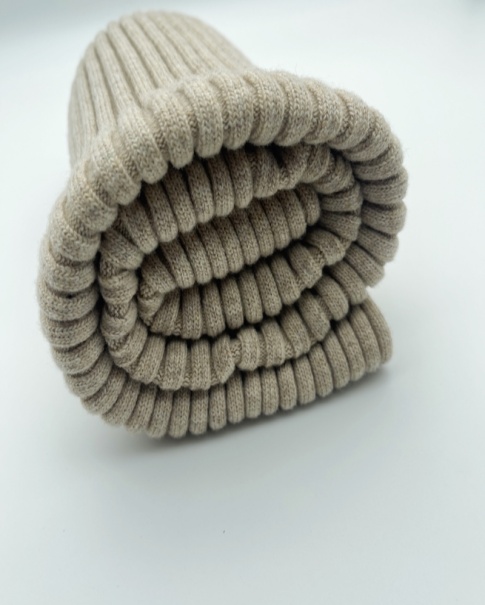
When we talk about the perfect fit in apparel, we often focus on the main fabric or the overall silhouette. However, the true secret to comfort, durability, and a polished look lies in the details. Specifically, the strategic use of ribbed knit trims.
Among these, the rib collar, rib cuff, and rib hem are the unsung heroes of garment construction. Let’s dive into why these components are essential and how they elevate everyday clothing.
1. Rib Collar: The First Impression
The neckline is often the first thing people notice about your outfit. A well-crafted rib collar does more than just frame the face; it provides crucial structural support.
Unlike the main body fabric, a rib collar is engineered with high elasticity and excellent recovery. This means it can stretch to accommodate your head when putting on the garment, yet snap back perfectly to maintain its shape without gaping or sagging over time. Whether on a classic crewneck sweatshirt or a sleek knit polo, the rib collar ensures a clean, tailored finish that stays comfortable against the skin.
2. Rib Cuff: Function Meets Style
Moving down the sleeve, the rib cuff plays a vital role in both aesthetics and functionality. In outerwear, hoodies, and long-sleeve tees, rib cuffs serve as a practical barrier against the elements.
The natural stretch of the ribbing allows the cuff to hug the wrist snugly, trapping body heat and preventing cold drafts from creeping in. At the same time, the elasticity ensures that the cuff doesn't restrict blood circulation or feel uncomfortably tight. Beyond function, rib cuffs also provide a visual anchor, balancing the proportions of the sleeve and adding a touch of texture to the garment.
3. Rib Hem: The Foundation of Fit
The bottom edge of a top or dress is where the rib hem comes into play. This horizontal band of ribbed fabric is crucial for maintaining the garment's shape and providing a flattering fit.
A quality rib hem gently gathers the fabric, allowing it to sit comfortably against the hips or waist without riding up. This is especially important in casual wear and activewear, where freedom of movement is key. Furthermore, the rib hem adds a finished, professional look to the bottom edge, preventing the main fabric from fraying and ensuring the garment retains its intended silhouette wash after wash.
Why Quality Matters
Not all rib trims are created equal. When sourcing garments, pay close attention to the rib collar, rib cuff, and rib hem. Inferior ribbing may lose its elasticity after a few washes, leading to wavy, stretched-out edges that ruin the look of an otherwise great piece. High-quality rib trims, often blended with a touch of elastane or spandex, guarantee longevity and sustained comfort.
Final Thoughts
The next time you slip into your favorite sweatshirt or sweater, take a moment to appreciate the rib collar, rib cuff, and rib hem

 Iscriviti alle nostre newsletter


 IPv6 network supported